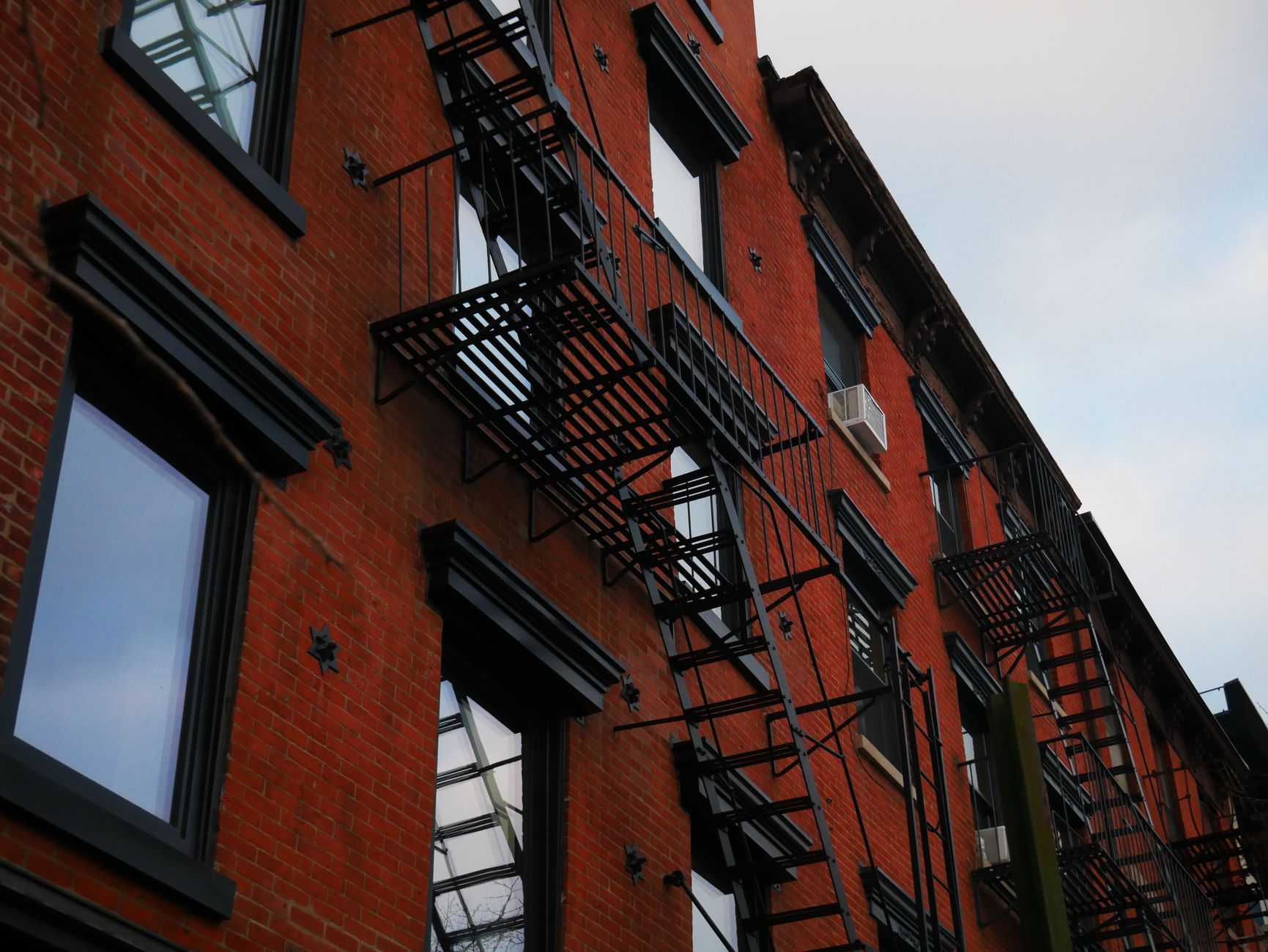
Rent control is New York City's older, smaller rent-regulation system for select pre-1947 units with tenancy dating to before July 1971. Rent stabilization is the much larger system for many private buildings with six or more units built before January 1974, plus some newer tax-benefit buildings.
Both systems limit rent increases and protect against improper eviction. They use different eligibility rules and different increase methods, so a tenant needs to know which one covers the unit. The NYC Rent Guidelines Board explains they are separate systems, not two names for one program, in its rent-control FAQs.
Table of Contents
- Who qualifies for each system?
- How is your legal rent set?
- What lease paperwork should you expect?
- How can you confirm your coverage?
Who qualifies for each system?
Rent control generally applies in buildings built before February 1, 1947. The tenant must have lived there continuously since before July 1, 1971, or be a lawful successor to that tenancy. According to NYS Homes and Community Renewal, that long continuous occupancy is the key test, described in its rent-control guidance. Rent stabilization covers a broader group.
It generally includes private buildings with six or more apartments built before January 1, 1974. It also includes some newer buildings that receive tax benefits tied to stabilization. In practice, most regulated renters are stabilized. Stabilization covers almost half of rental apartments, and city guidance notes the vast majority of regulated units are stabilized rather than controlled.
How is your legal rent set?
Rent-controlled rents use a Maximum Base Rent system. NYS Homes and Community Renewal sets a maximum base and collectible rent for each apartment. Base-rent adjustments occur every two years and reflect operating costs. Rent stabilization uses annual renewal guidelines instead. Each year the NYC Rent Guidelines Board votes on allowable increases for one- and two-year renewal leases.
For leases commencing Oct. 1, 2026 through Sept. 30, 2027, the Board adopted 0% for both one- and two-year renewals, as shown in the adopted 2026-27 guidelines summary. That difference matters at renewal time. A controlled rent follows its HCR-set maximum. A stabilized rent follows the Board rate in effect when the renewal lease starts.
📨 Get Free Tenant Rights Guides Alerts
Free · No spam · Unsubscribe anytime
What lease paperwork should you expect?
Rent-controlled tenancies are statutory. Tenants do not sign renewal leases to keep their rights. Services and eviction protections remain regulated while the tenancy continues. Rent-stabilized tenants typically sign a fixed lease, usually for one or two years.
Renewal offers must follow stabilization rules. The lease term and the Board increase together set the next legal rent. Keep the current lease, renewal offer, and any rider. A rider may state stabilized status. Do not rely on a listing or verbal promise for coverage.
How can you confirm your coverage?
Start with papers in the apartment. Look for a stabilized lease, renewal form, or rider that names stabilization.
Note building age, unit count, and tax-benefit language if shown. Then check the official record when status is unclear: Order your rent history from HCR before you agree to a disputed increase or sign a renewal you question.
- Ask the owner in writing whether the unit is rent controlled or rent stabilized
- Order the apartment rent history from HCR to confirm regulation and check for overcharges
- Compare the history to the rent charged and the renewal increase applied
You Might Also Like
- Washington Section 8 Rules: Refusals Can Cost 4.5x Monthly Rent
- Alaska Section 8 Rules: AHFC’s 28.5% Rent and Five-Year Step Limit
- Wyoming Section 8 Rules: Landlords May Decline Vouchers