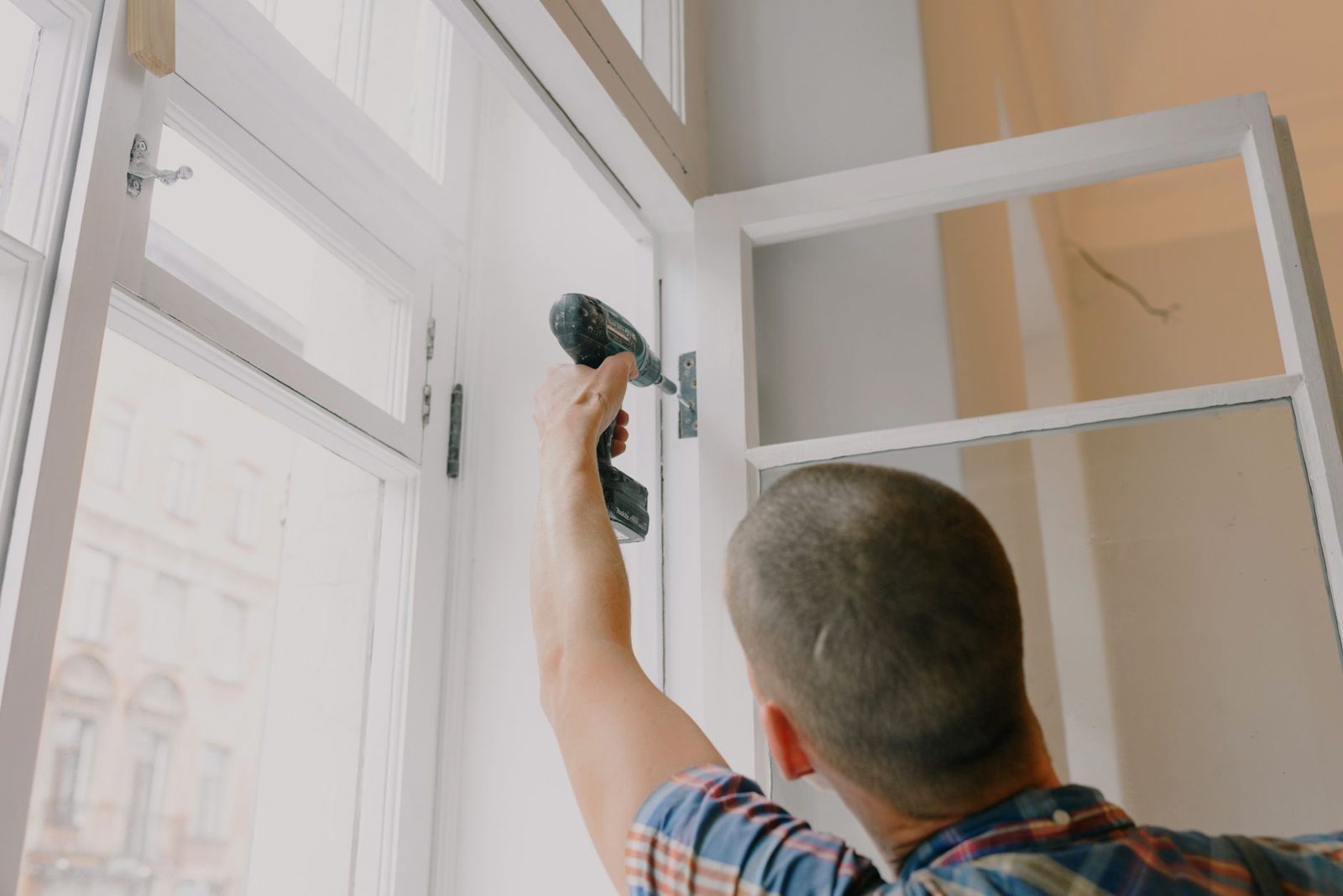
Short answer: The warranty of habitability is the rule that a rental home must be safe and fit to live in for the whole tenancy, not just on move-in day. In most states it covers working heat, plumbing, hot water, electricity and a weathertight structure, and the landlord cannot make you sign it away. What changes from state to state is what you can do when the landlord fails to meet it.
This guide explains where the warranty of habitability comes from, which conditions usually count as a breach, what each of the 12 largest states says, and the remedies tenants can use without putting their own tenancy at risk.
Where the warranty of habitability comes from
Older law treated a lease as a transfer of land, so a tenant took the property “as is.” Courts and legislatures abandoned that view because a modern renter is paying for a place to live, not for a plot of ground. Today the duty to keep a home livable comes from one of three places, and often more than one:
- A statute. Texas, Florida, New York, Ohio, North Carolina, Michigan and Washington all have a landlord-duty section in their landlord-tenant laws.
- A court decision. Pennsylvania’s duty comes from Pugh v. Holmes, 405 A.2d 897 (Pa. 1979), and New Jersey’s from Marini v. Ireland, 56 N.J. 130 (1970). California has both a court decision, Green v. Superior Court (1974), and statutes.
- Local housing codes. Many state statutes simply require the landlord to comply with building, housing and health codes, which makes the city code part of the landlord’s duty.
The warranty usually cannot be waived. New York’s attorney general notes that a lease clause waiving it is void as against public policy under Real Property Law § 235-b. Texas allows only narrow, written exceptions under Tex. Prop. Code § 92.006, such as a landlord who owns a single rental home.
What counts as uninhabitable
The warranty is about health and safety, not comfort or appearance. California’s official tenant guide, published by the California Department of Real Estate, lists conditions under Civil Code § 1941.1 that can make a unit legally uninhabitable when they are substantially lacking:
- Effective waterproofing and weather protection of the roof and exterior walls, including unbroken windows and doors
- Plumbing in good working order, with hot and cold running water connected to a sewage system
- Gas facilities and heating facilities in good working order
- An electrical system, including lighting and wiring, in good working order
- Clean and sanitary buildings and grounds, free of rodents and vermin
- Adequate trash receptacles, and floors, stairways and railings in good repair
Other states use similar lists. Washington’s RCW 59.18.060 requires the landlord to keep the premises “fit for human habitation,” maintain structural components, control pests, keep the unit “reasonably weathertight,” and supply heat, water and hot water. Texas ties the duty to any condition that “materially affects the physical health or safety of an ordinary tenant,” and also names hot water of at least 120 degrees Fahrenheit (§ 92.052).
What usually does not count: faded paint, worn but usable carpet, an outdated kitchen, or a minor code violation that does not affect safety. The California guide says plainly that the warranty is not violated just because a unit is not in perfect, attractive condition.
The landlord also is not responsible for damage you, your household, your guests or your pets cause. Every statute in the table below carries some version of that exception.
Warranty of habitability by state
This table covers the 12 most populous states. “Main remedy” is the self-help or court tool the state’s law or official guide describes; most states also let you sue for damages or a rent reduction.
| State | Landlord’s duty | Main tenant remedy | Source |
|---|---|---|---|
| California | Unit must be fit for human occupation and substantially comply with health and safety codes | Repair and deduct up to one month’s rent, no more than twice in 12 months | Civ. Code §§ 1941, 1941.1, 1942 |
| Texas | Diligent effort to repair conditions that materially affect health or safety, after notice, if rent is current | Repair and deduct up to one month’s rent or $500, whichever is greater, in listed situations; terminate; or sue | Prop. Code §§ 92.052, 92.056, 92.0561 |
| Florida | Comply with building, housing and health codes; heat, running water and hot water in multi-unit buildings | Rent-withholding defense after 7 days’ written notice; termination after 7 days’ notice | Fla. Stat. §§ 83.51, 83.56, 83.60 |
| New York | Implied in every written or oral residential lease: livable, safe and sanitary, including common areas | Lawsuit or counterclaim for rent reduction | Real Prop. Law § 235-b |
| Pennsylvania | Court-made implied warranty; defect must make the home unsafe or unsanitary | Rent abated in part for a partial breach, in full for a total breach | Pugh v. Holmes, 405 A.2d 897 (Pa. 1979) |
| Illinois | Repairs required by the lease or by law, rule or local ordinance | Repair and deduct up to the lesser of $500 or half a month’s rent, after 14 days’ notice | 765 ILCS 742/5 |
| Ohio | Code compliance; keep premises “fit and habitable”; heat, running water and hot water | Deposit rent with the court clerk after 30 days’ notice, or apply for a repair order | R.C. 5321.04, 5321.07 |
| Georgia | Keep the unit safe, habitable and in good repair, including structure, electric, heating and plumbing | Repair and deduct after written notice (state handbook urges caution) | Ga. DCA Landlord-Tenant Handbook |
| North Carolina | Code compliance; keep premises “fit and habitable”; promptly repair facilities after written notice | Civil action; no rent withholding before a court rules | G.S. 42-42, 42-44 |
| Michigan | Premises fit for intended use; reasonable repair; comply with health and safety laws | Rent escrow or breach of lease is a defense to eviction for nonpayment | MCL 554.139, 600.5720 |
| New Jersey | Court-made implied warranty for vital facilities | Repair and deduct, rent abatement or withholding, after notice | Marini v. Ireland, 56 N.J. 130 (1970) |
| Washington | Keep premises fit for human habitation; weathertight; heat and hot water | Repair and deduct within statutory limits; rent escrow for dangerous conditions | RCW 59.18.060, .100, .115 |
How to use the warranty of habitability
Every remedy starts the same way: the landlord has to know about the problem and get a fair chance to fix it. The order below works in every state, even where the details differ.
- Document the condition. Take dated photos and video. Keep a log of when the problem started and how it affects you.
- Give written notice. Several statutes require it. Texas requires notice to the place where rent is paid and, in most cases, either a second written notice or a first notice sent by certified, registered or tracked mail (§ 92.056(b)). See our repair request letter guide for wording.
- Wait the required time. Washington sets hard limits: 24 hours for loss of heat, water or electricity, 72 hours for a broken refrigerator, stove or major plumbing fixture, and 10 days for everything else (RCW 59.18.070). Texas presumes seven days is reasonable.
- Call code enforcement if the landlord does nothing. An inspector’s report is strong evidence in any later dispute.
- Choose a remedy your state actually allows, and follow its steps exactly.
Stay current on rent while you do this. Texas, for example, only imposes the repair duty if you were not behind on rent when you gave notice, and Ohio’s escrow remedy requires you to be current.
Rent withholding: the remedy that goes wrong most often
Simply not paying rent is risky everywhere. In North Carolina it is not allowed at all: G.S. 42-44(c) says a tenant may not unilaterally withhold rent before a court decides they have the right to.
📨 Get Free Tenant Rights Guides Alerts
Free · No spam · Unsubscribe anytime
Where withholding is allowed, there is a procedure. In Florida you must deliver written notice saying you intend to withhold, then wait seven days (§ 83.60(1)(b)). If the landlord then sues for possession, you must pay the alleged rent into the court registry or lose your defenses (§ 83.60(2)). In Ohio, you deposit the rent with the clerk of the municipal or county court rather than keeping it (R.C. 5321.07).
California’s guide warns that a landlord may answer withholding with a three-day notice and an eviction case. If the judge finds the defects were not serious enough, you owe the full rent and may be evicted. The guide recommends keeping withheld money in a separate account so you can pay whatever the court orders.
A worked example: a broken water heater in Texas
Maria rents a Houston apartment for $1,300 a month under a written lease. Her water heater fails on March 3. Hot water at 120 degrees is a named duty under § 92.052.
- March 3: She emails the manager and photographs the dead unit.
- March 4: Because her lease requires written notice, she sends a letter to the rent office by certified mail, return receipt requested. Under § 92.056(b)(3), tracked mail means she does not need to send a second notice.
- March 11: Seven days pass with no repair. Texas presumes seven days is a reasonable time to fix a condition.
Maria now has the options listed in § 92.056(e): end the lease, use repair and deduct, or go to court. Repair and deduct in Texas only applies in listed situations, such as sewage backups, flooding, a total loss of water service, or a written notice to the landlord from a local housing, building or health official that the condition materially affects health or safety (§ 92.0561(d)). If a city inspector sends that notice, her deduction could be up to $1,300, since one month’s rent is greater than $500. If she sues in justice court instead, the court can order the repair, reduce her rent, and award a civil penalty of one month’s rent plus $500 (§ 92.0563).
Frequently Asked Questions
Can my lease waive the warranty of habitability?
Generally no. New York treats any waiver as void, and Texas allows only narrow written exceptions under § 92.006. Michigan lets the parties modify the duties in MCL 554.139 only when the lease runs at least one year.
Is a broken air conditioner a habitability problem?
It depends on the state and the lease. Georgia’s handbook says a landlord is not required to provide air conditioning but must repair it if provided. New Jersey’s guide notes that an appellate court has treated air conditioning supplied as part of the tenancy as a “vital facility.”
Does the warranty apply to mold and pests?
Often, yes. Washington requires pest control at the start of a tenancy and, outside single-family homes, during it. California’s guide says visible mold that a health or code officer finds is more than superficial may be a substandard condition.
Can my landlord evict me for complaining?
Most states prohibit it, and several presume retaliation if the landlord acts soon after your complaint. Our guide to landlord retaliation lists the time windows by state.
What if I caused the damage?
Then the warranty does not help you. Every state in the table excludes conditions caused by the tenant, household members, guests or pets, and the landlord can usually charge you for the repair.
Your next step
Photograph the problem today, then send a dated written repair request to the address where you pay rent, keeping a copy and proof of delivery. If the landlord misses your state’s deadline, read what to do when your landlord won’t make repairs before you choose a remedy. For broader context on your rights, see our tenant rights overview.
This guide is general legal information, not legal advice. Before withholding rent or ending a lease, talk to a licensed attorney or find free help through the Legal Services Corporation’s legal aid locator.
Sources
- California Department of Real Estate, California Tenants guide (2026)
- Texas Property Code, Chapter 92
- Florida Statutes § 83.51, § 83.56, § 83.60
- New York Attorney General, Residential Tenants’ Rights Guide
- Lycoming County Court of Common Pleas opinion applying Pugh v. Holmes
- 765 ILCS 742/5, Residential Tenants’ Right to Repair Act
- Ohio Revised Code 5321.04 and 5321.07
- Georgia Department of Community Affairs, Landlord-Tenant Handbook
- N.C. Gen. Stat. § 42-42 and § 42-44
- MCL 554.139 and MCL 600.5720
- New Jersey DCA, Truth in Renting
- RCW 59.18.060 and RCW 59.18.070
- Legal Services Corporation, Get Legal Help