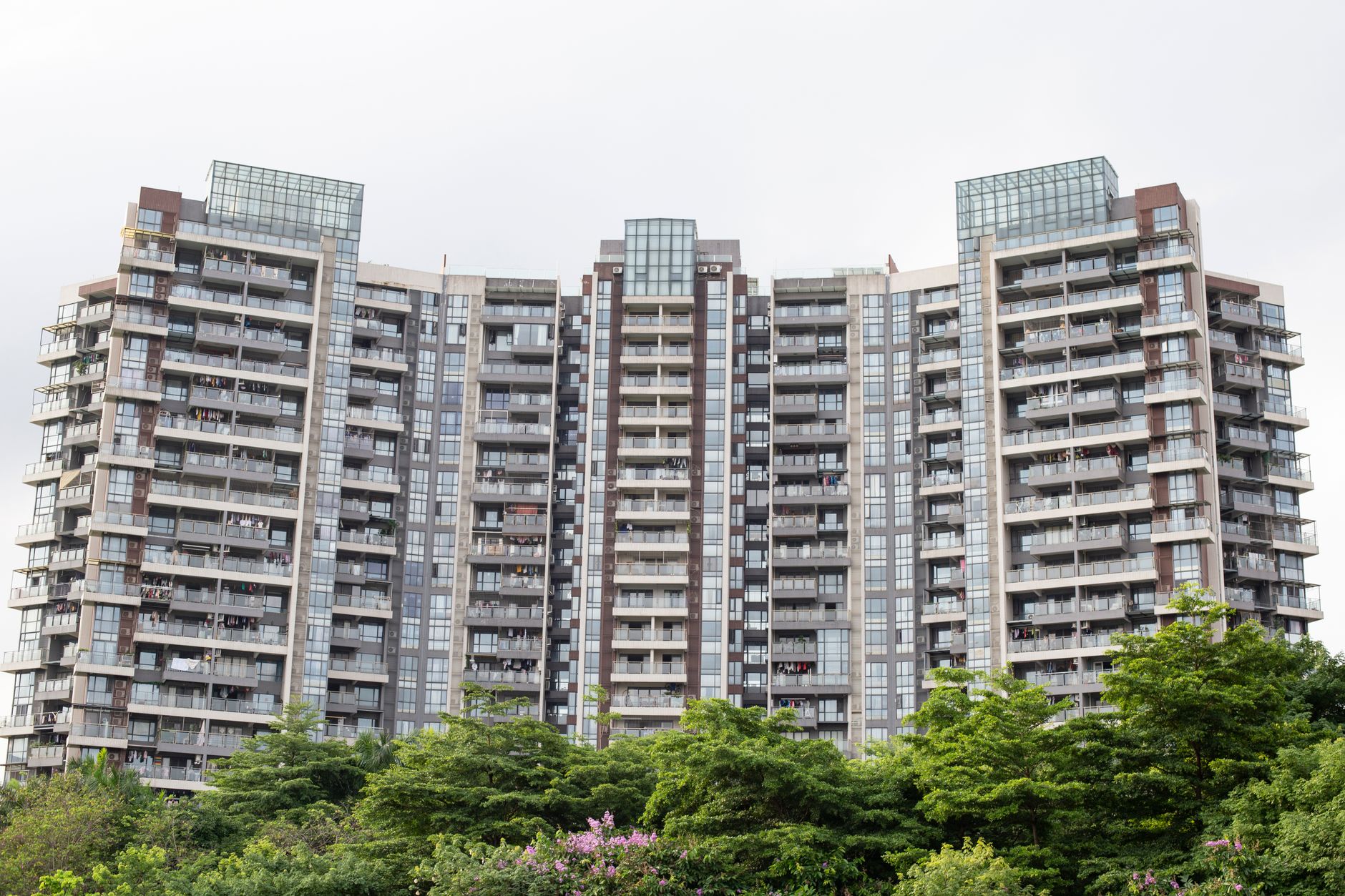
Minnesota has no statewide limit on rent increases. Outside local rules, a landlord may raise rent by any amount with proper written notice, according to iPropertyManagement in its Minnesota rent increase guide. Rent stabilization means a local cap on increases.
State law generally bars cities, counties, and towns from controlling private rents unless voters approve an ordinance or charter change at a general election, according to the Minnesota Legislature. Saint Paul has such a voter-approved system. Most of Minnesota does not.
Table of Contents
- How much notice must you get?
- Can rent rise during your lease?
- How does Saint Paul's 3% cap work?
- What about Minneapolis and newer buildings?
How much notice must you get?
Minnesota law requires advance notice for a rent increase. The landlord's notice may not be shorter than the tenant's required notice to quit. For month-to-month tenancies, that is commonly one rental period, as the Minnesota Attorney General explains in its landlords and tenants handbook.
State guidance adds a percentage rule for 2025–2026 increases, according to Hemlane. Check your notice against both clocks: Measure from the date you receive the notice, not the date it was mailed. If the increase is large and the notice is short, keep the envelope, email header, or delivery record.
- Increase under 10%: 30 days' written notice.
- Increase of 10% or more: 60 days' written notice.
Can rent rise during your lease?
A landlord generally may not raise rent during a fixed-term lease. A one-year lease locks the rent for that year unless the lease allows a mid-term change. An increase is allowed at renewal, when a new term begins.
Month-to-month tenants have more exposure because each period can bring a new rent amount. Even then, the landlord must give proper notice before the higher rent starts. A landlord also may not use an increase as retaliation for a lawful complaint or rights claim, according to the Minnesota Attorney General.
📨 Get Free Tenant Rights Guides Alerts
Free · No spam · Unsubscribe anytime
How does Saint Paul's 3% cap work?
Saint Paul limits residential rent increases to no more than 3% in any 12-month period. A higher amount is allowed only through a city-approved exception, according to the City of Saint Paul in its Rent Stabilization for Renters page. The same city source lists three main paths above 3%. They include a 3%-8% self-certified increase, a CPI-plus-8% increase after a qualifying vacancy, and a larger staff-approved increase for a justified reasonable return.
Each path has its own filing and proof rules. For example, a $1,500 rent could rise to $1,545 without an exception. A proposal to charge $1,620 in the same year would need an approved exception. Ask which exception the landlord claims and request the approval in writing.
What about Minneapolis and newer buildings?
Minneapolis has no rent cap in effect as of 2026. Voters in 2021 only authorized the City Council to regulate rent, but the council has not enacted a stabilization ordinance, according to Security Bank & Trust Co. in its 2026 Minneapolis rent-control guide. Saint Paul exempts newer housing from its cap.
The exemptions include a 20-year new-construction exemption adopted in 2022 and a 2025 change exempting properties first occupied after Dec. 31, 2004, according to Hemlane. An exempt building still owes proper notice and must follow the lease. If your landlord claims an exemption, ask for the building's first-occupancy date and the exemption basis in writing. Save the written notice and compare its date and percentage to these rules before you pay the new amount.
You Might Also Like
- What’s the Legal Limit on Rent Increases in Wisconsin?
- Washington Section 8 Rules: Refusals Can Cost 4.5x Monthly Rent
- Understanding Your NYC Rent Stabilized Lease Renewal and the RTP-8